


Search engine marketing (SEM)
Search engine marketing is the paid side of search. You bid to appear above or beside the normal results when someone types a phrase you care about, and you pay when they click. It gives you visits quickly and lets you switch them off, which is its strength and its cost.
- Price
- Ask for a quote
- Budget
- Set by you, paid to the ad platform
- First step
- A short planning call
- Clients so far
- None yet. This page sets out how we would do it.
How SEM differs from SEO
People mix these up, so here is the split we use on this site. SEO is unpaid: you improve pages and wait to be ranked. SEM is paid: you place an ad and appear straight away.
SEM is the planning level. It covers deciding whether paid search suits you, which phrases to bid on, what you can afford per enquiry and how it connects with your website. The hands-on setup and running of the account is covered on the Google Ads page.
We do not treat them as rivals. Paid search tells you in days which phrases bring enquiries. That is useful information for deciding where to put SEO effort.
When paid search makes sense
- You need enquiries soon, for example a new business or a quiet season.
- Customers search with clear intent, such as "emergency plumber" or "wedding photographer Hamilton".
- You know roughly what a new customer is worth to you, so you can work out what an enquiry can cost.
- Your site has a clear phone number and a form that works, because ads send visits to a page that has to do the rest.
It makes less sense when a single customer is worth very little, when most people do not search for what you sell, or when the site is slow or confusing. Fixing the site first is cheaper than paying for clicks that leave.
Working out a sensible budget
Start from the customer, not the ad. Take the average value of a new customer, decide how many enquiries turn into work, and that tells you what an enquiry is worth. Say one in four enquiries becomes a job. Then an enquiry is worth a quarter of what that job earns you, and you should spend well under that to get one.
We cannot tell you the cost per click before we look at your phrases and your area, because it varies by trade, suburb and season. We will give you a range after research, label it as an estimate, and suggest a small test budget for the first month.
The ad spend goes straight to the ad platform from your own account. Our fee for planning and management is quoted separately. Ask for a quote.
How a paid search plan comes together
- 1
Choose the goal
Phone calls, form enquiries or bookings. One main goal keeps the numbers readable.
- 2
Research the phrases
We list what people type, mark which have buying intent and which are only browsing, and note the phrases that would waste money.
- 3
Set up measurement
Before any ad runs, calls and form sends are tracked so every click can be connected to an enquiry.
- 4
Match ads to pages
Each group of phrases points at the page that answers it. A site with one page per service makes this far easier.
- 5
Review monthly
Keep what brings enquiries, cut what does not, and report in plain numbers: spend, enquiries and cost per enquiry.
What you need to provide
- A business card on file with the ad platform. You own the account.
- Your service areas and the jobs you want more of, and the ones to avoid.
- Opening hours and who answers the phone, so ads do not send people to a missed call.
- Any rules in your trade about what an ad can claim.
Common mistakes
Most wasted spend comes from the same few places.
- Sending every click to the home page instead of the page for that service.
- Bidding on very broad phrases that attract people who will never buy.
- Not tracking calls, so you cannot tell which ads work.
- Turning the campaign off after two weeks because the first numbers are small.
- Counting clicks instead of enquiries.
Where SEM sits among the other services
Paid search can also run on other platforms, but for most small businesses in New Zealand the starting point is Google. If your customers are more likely to find you on Facebook or Instagram, social media marketing may be the better first step.
We can plan paid search for a WebTag site or for a site someone else built, though we will tell you if we think the site needs work before spend begins.
No client work to show yet
We have not run Search engine marketing for a client yet, so there is no project on this page. Everything above is how we would do it, and we will say so plainly until that changes.
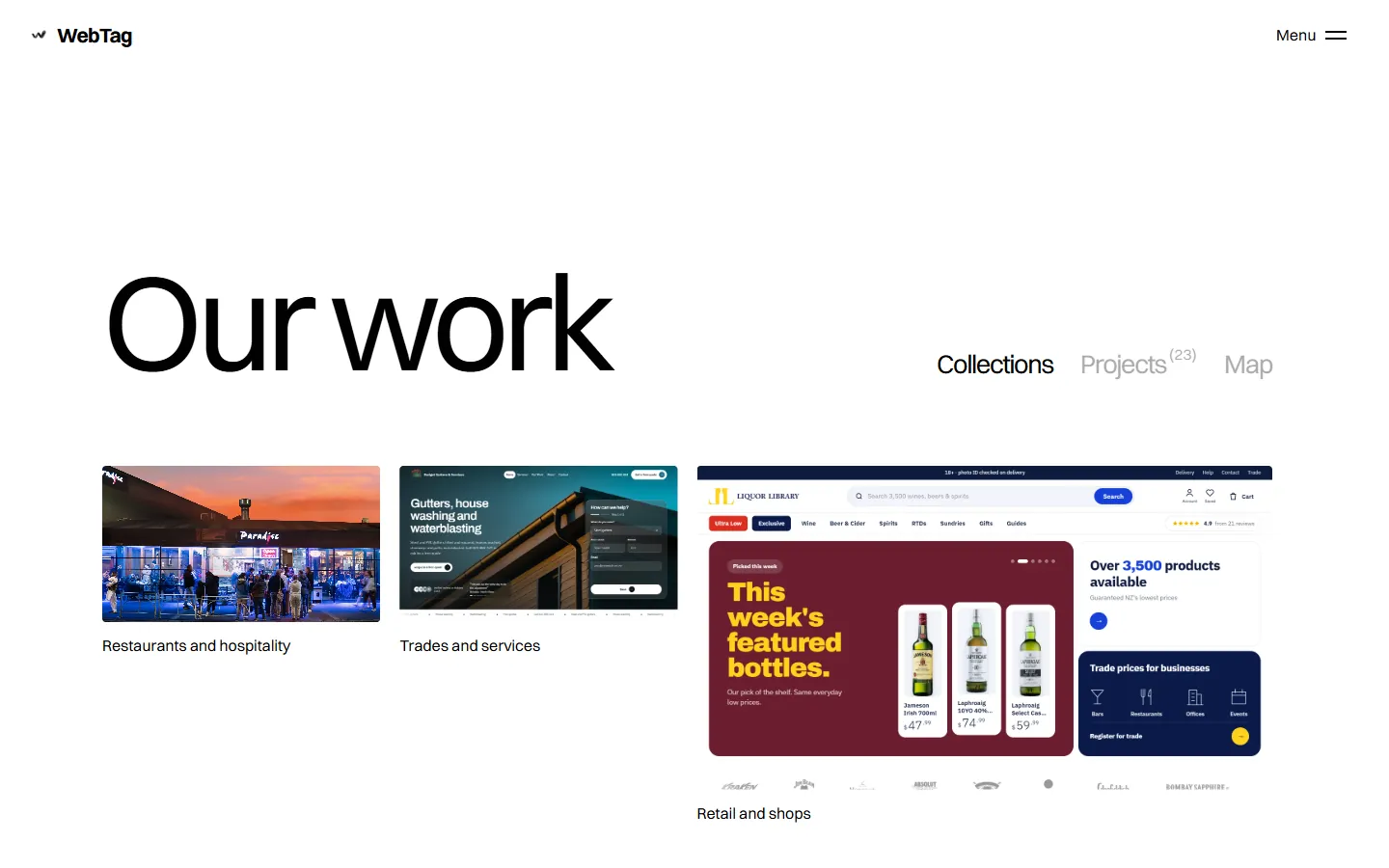
What we have delivered is websites. See the sites we have built.
Questions
What is the difference between SEM and Google Ads?
SEM is the wider idea of paid search: goals, phrases, budget and measurement. Google Ads is the platform where most of it runs. We plan the first and manage the second.
How much should I spend a month?
It depends on your area and trade. We suggest a small test amount for the first month, then adjust based on what each enquiry costs you. Ask for a quote on management.
Do I pay you the ad money?
No. Ad spend is billed by the platform to your own account. We charge separately for planning and management.
Can I stop whenever I like?
Yes. Paid search can be paused at any time, and the account stays yours.
Will ads help my normal Google ranking?
Not directly. Ads and unpaid results are separate. The phrase data from ads can guide your SEO choices, though.